Diamond Education
Carat is one of the biggest drivers of diamond price, but it rarely works alone. Learn what else shapes the cost before you shop.
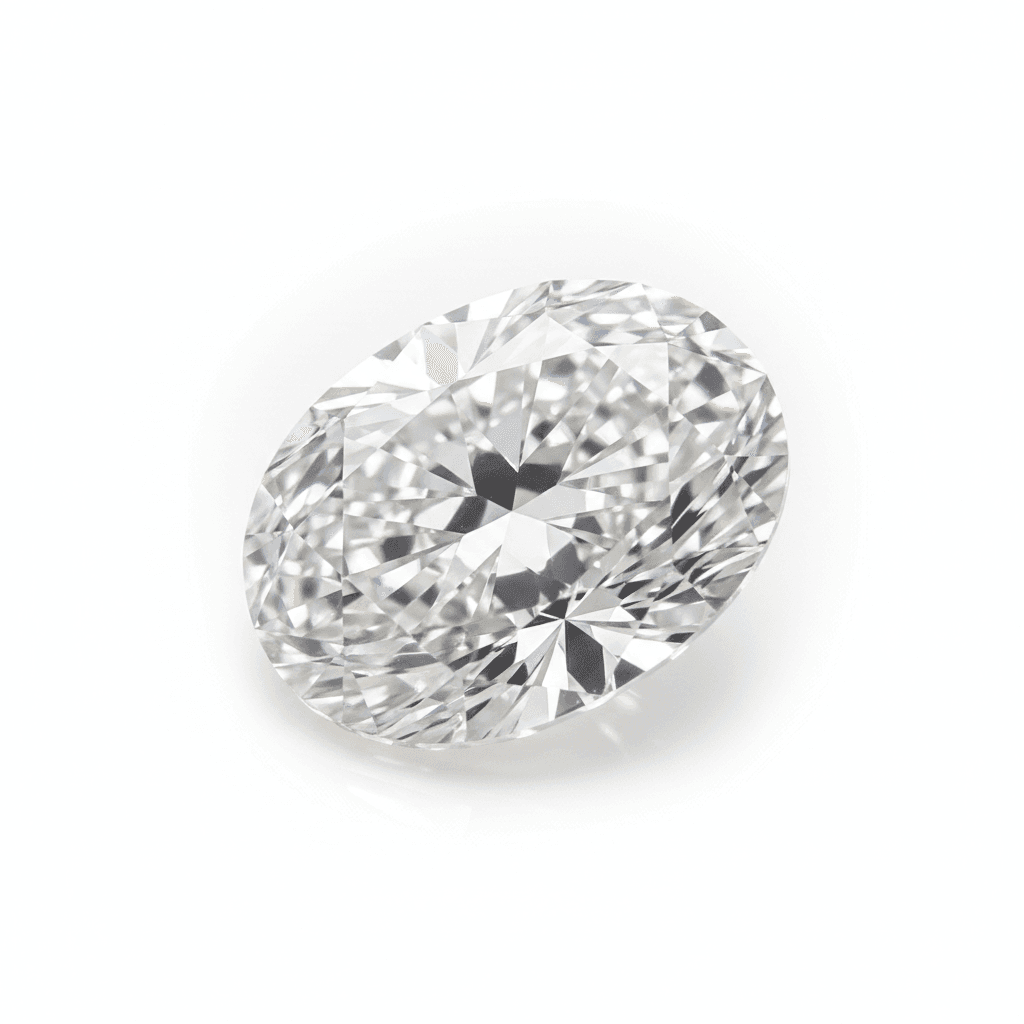
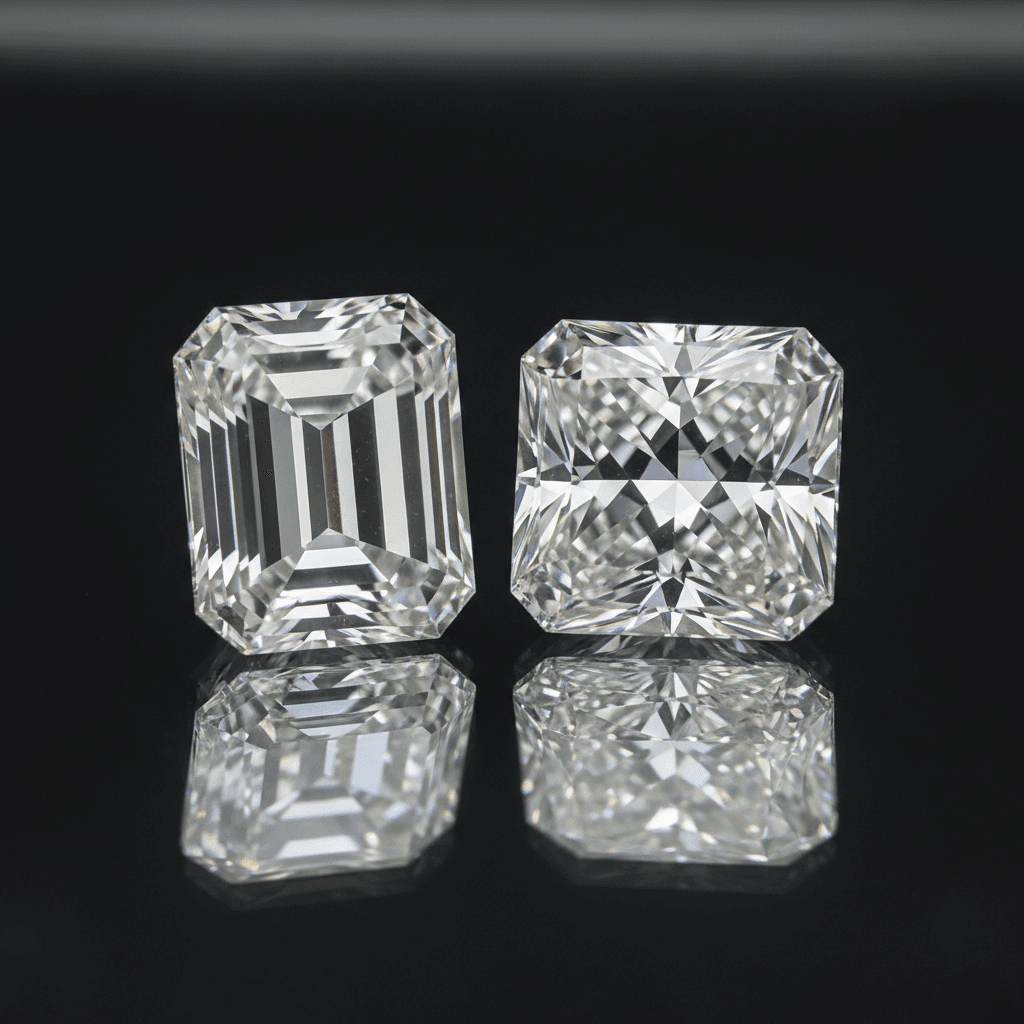
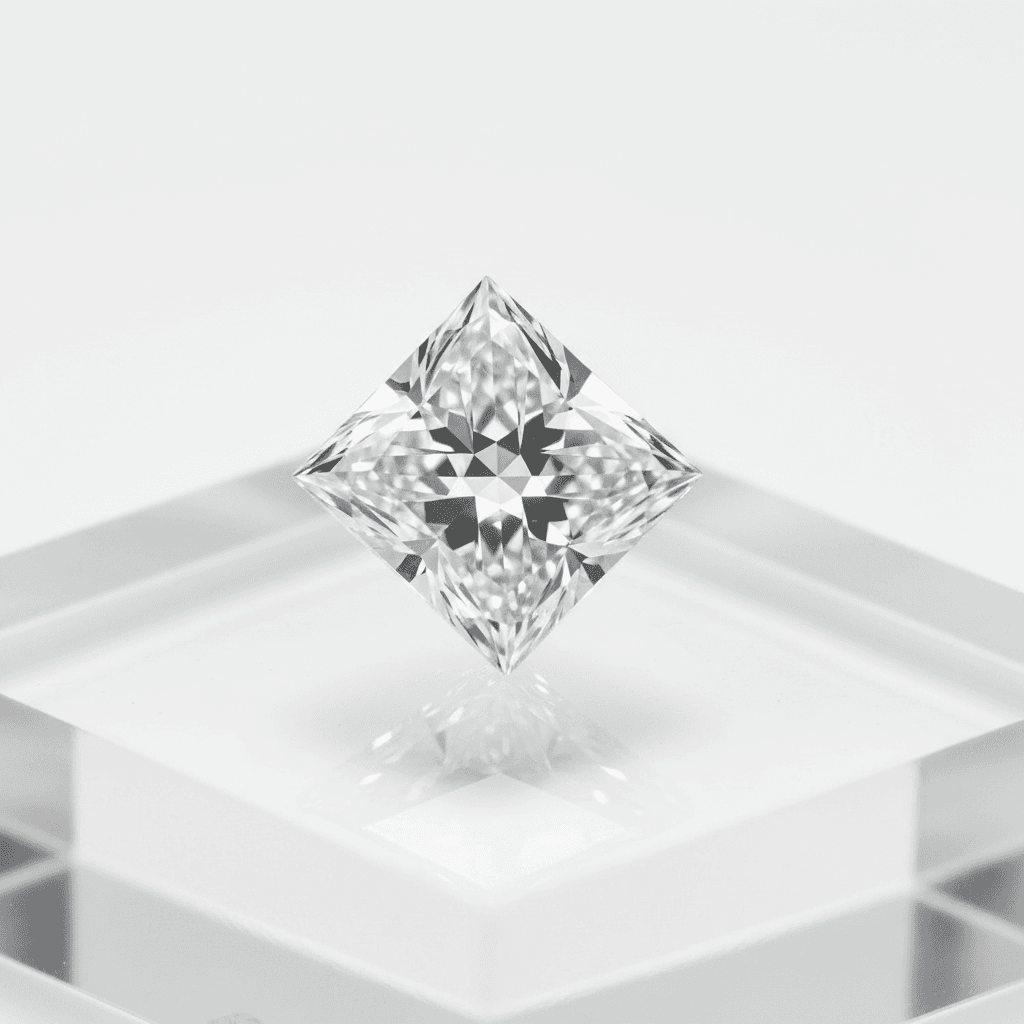
Carat measures a diamond's weight, not its diameter, and weight alone does not set the price. Cut quality, color grade, and clarity all interact with carat to determine what a stone actually costs. A well-cut one-carat diamond can outshine a poorly cut stone of greater weight, and command a higher price because of it. At Bravo Jewellers in Carlsbad, we walk you through each factor so you understand exactly what you are paying for.
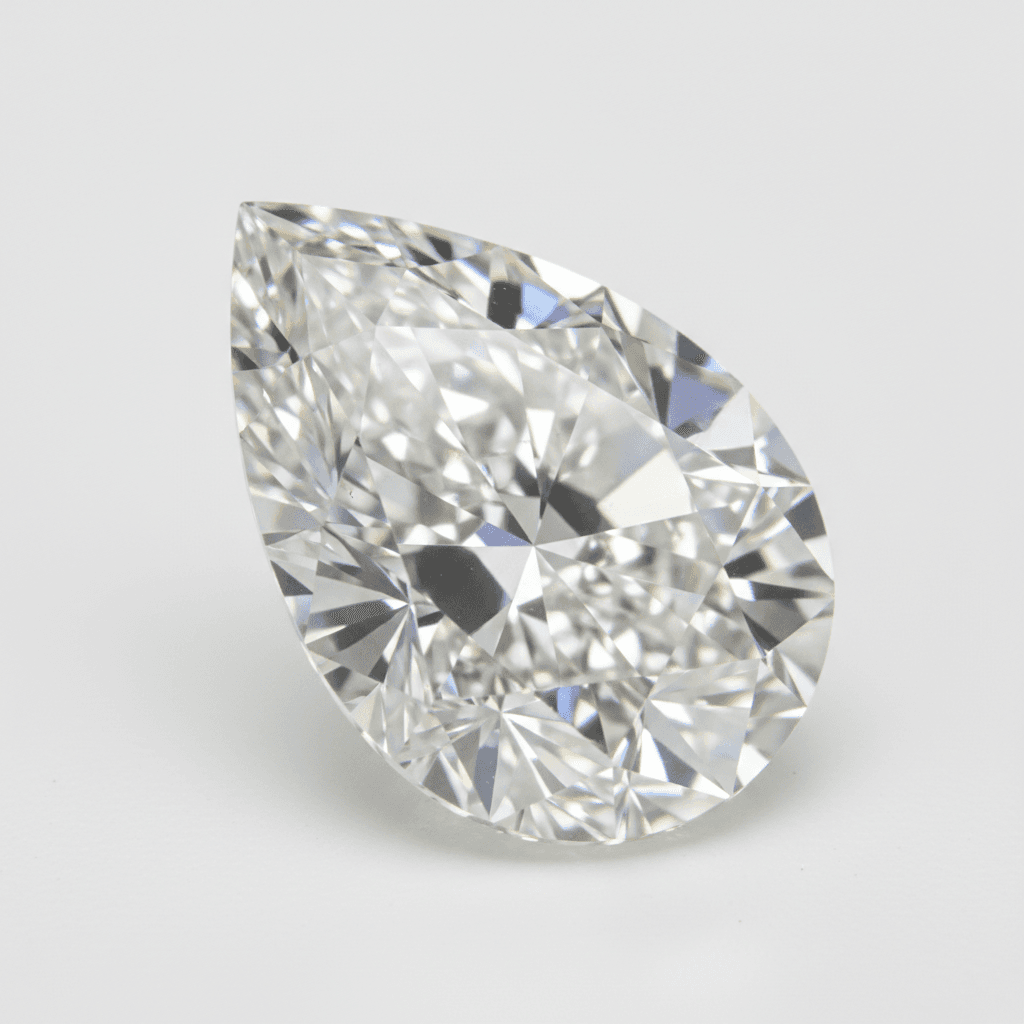
Diamond pricing does not rise in a straight line. Stones that reach popular thresholds, such as one carat or two carats, carry a premium simply because demand spikes at those numbers. A stone just below a threshold can offer nearly identical visual size at a noticeably lower cost. Shape also plays a role: round brilliants typically cost more per carat than fancy shapes like oval or cushion. Understanding these dynamics lets you stretch your budget without sacrificing presence.
Carat weight affects the price of both natural and lab-grown diamonds, but the rate at which cost climbs differs significantly. Natural diamonds become exponentially rarer at higher carat weights, so price increases steeply. Lab-grown stones of the same carat can carry a lower price point because they are produced in controlled conditions. Both options are real diamonds, the choice comes down to budget, values, and what matters most to you.

created by nature

holds resale better

billions of years to form

rarity & demand rises cost

harder to find

minor imperfections

40-60% less

fewer inclusions

same brilliance

no resale

mass-produced

lacks natural heritage
Visit Bravo Jewellers in Carlsbad and see how carat, cut, color, and clarity come together in real stones. Our family team will help you find the balance that fits your eye and your budget, no pressure, just honest guidance.